Design Opportunity 1
- There were a lot of people, but everyone was lost in their own world.
- Shared space, but no shared emotions or attention.
- Visually warm, but internally “lonely in a group”.
An exhibited spatial film translating emotional transitions into light, contrast, and visual rhythm.
Through participatory visual research, photographic studies, and motion design, I developed a moving-image experience for physical exhibition. I also explored bodily motion and light through an independent Arduino prototype.
Watch full film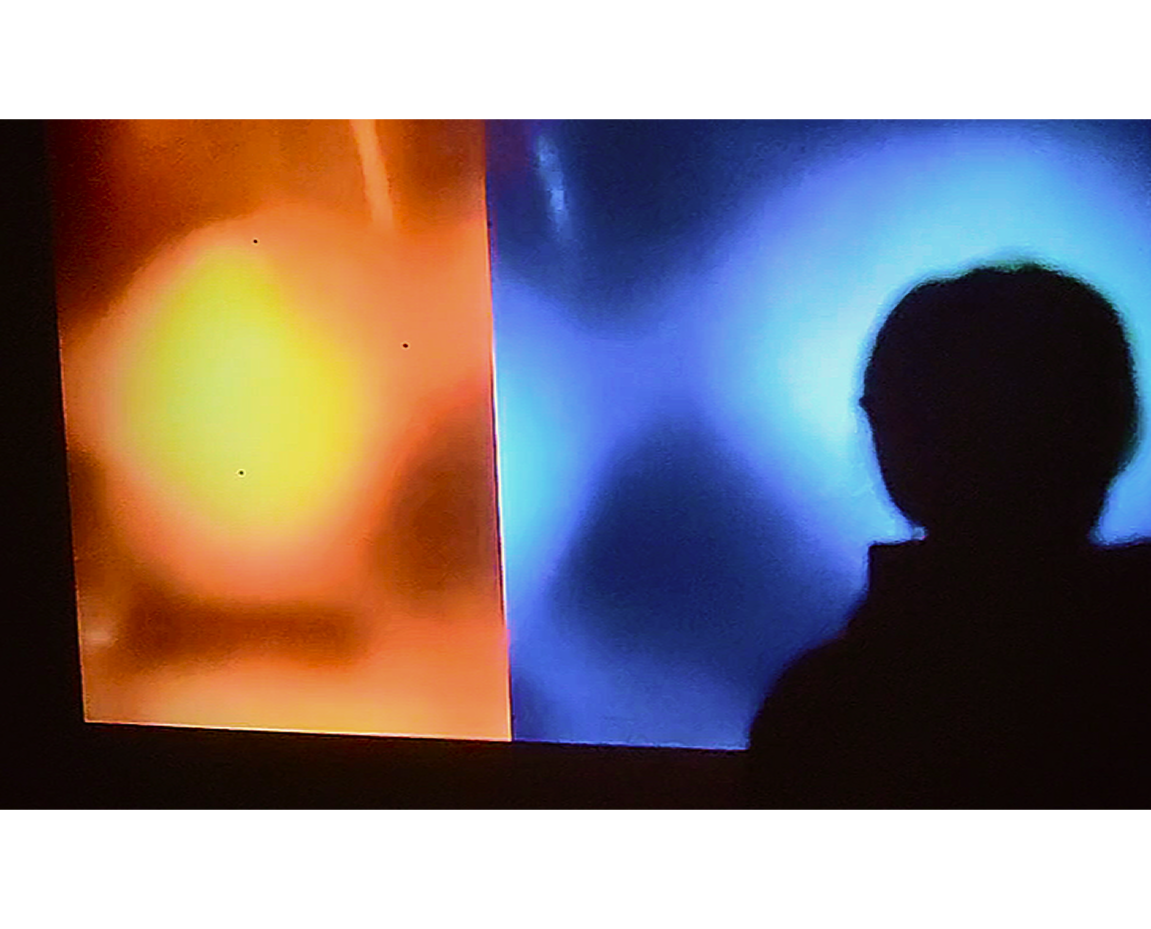
Balance is not a permanent state, but a fleeting moment within an ongoing cycle of change.
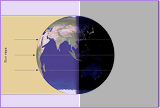
At the equinoxes, day and night are approximately equal. That brief natural equilibrium became a metaphor for life’s transitions, interruptions, and returns.How might a fleeting sense of balance be made visible—not as a fixed ideal, but as a changing relationship between body, emotion, time and space?
Literary inspiration, participatory photography, a seven-person relay drawing workshop, photographic trials, and a three-phase moving-image storyboard.
A completed pre-rendered spatial film. A separately built motion-sensing LED experiment informed my thinking about a possible future interactive system.
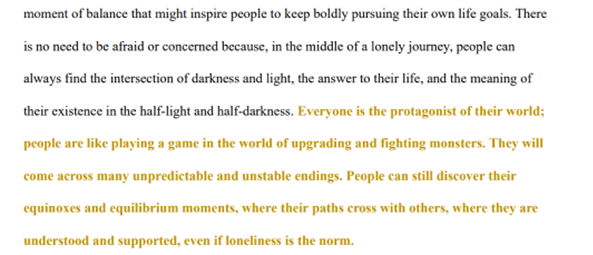
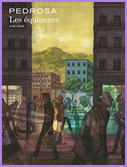
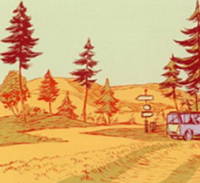
Cyril Pedrosa’s Les Équinoxes introduced the equinox as a metaphor for temporary emotional balance. I used this connection between seasonal change and human experience to investigate how rhythm, contrast, and shared space can express transition.
Rather than representing balance as a fixed endpoint, I explored the tension between inner rhythms and shared environments, translating this transient balance in nature into a visual language of emotions.
I examined seasonal transitions as a framework for exploring temporary equilibrium, disconnection, and change in visual form.
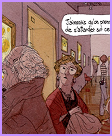
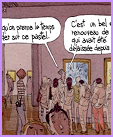
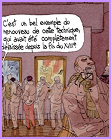
People seem to be in the same space, but their focuses and interpretations are completely different.
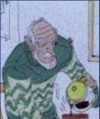
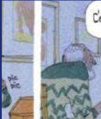
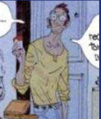
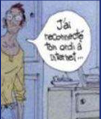
Communication among people of different ages is often out of place: the elderly focus on daily habits, while the young care about online connections.
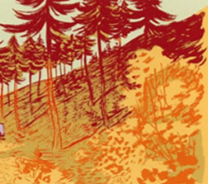
Two participatory approaches explored the visual cues people associate with emotional equilibrium and transience.
Instead of asking for a single definition of emotional balance, the explorations invited visual associations: personal photographs of transience and a shared drawing process. The materials below are exploratory qualitative inputs rather than representative survey results.
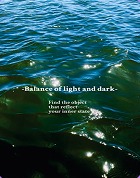
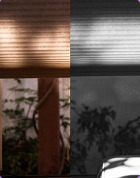
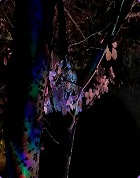
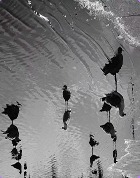
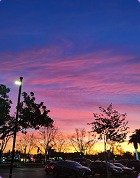
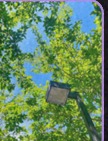
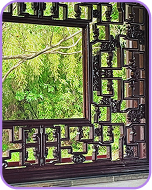
Participants photographed objects and scenes that represented their internal state, creating a visual archive of personal metaphors.






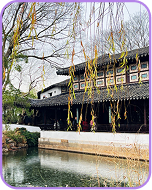
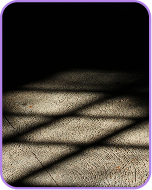
Seven participants contributed sequentially to a shared visual composition, exploring color, symbols and a collective rhythm.
Seven participants joined the collaborative visual workshop.
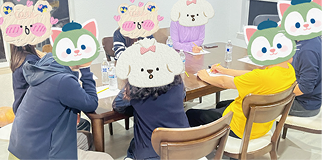
Canvas, watercolor and Procreate were available for the relay drawing.
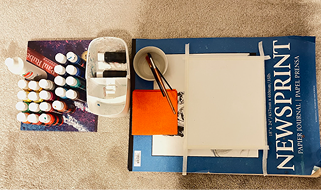
Participants contributed colors and simple symbolic elements in sequence.
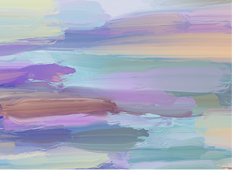
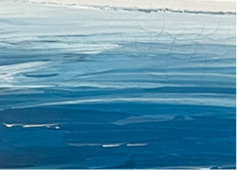
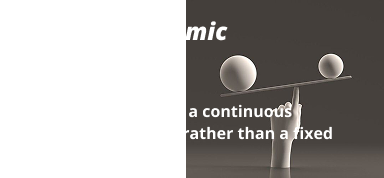
Balance emerged as an ongoing process of adjustment rather than permanent stillness.
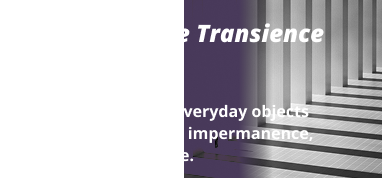
Participants chose everyday objects whose qualities suggested impermanence and movement.

Changing warmth, darkness and texture offered an intuitive emotional language.
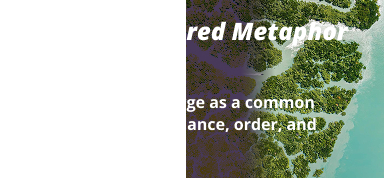
Natural elements provided a common starting point for discussing an internal feeling.
Design implication: use changing color, light, movement and rhythm to communicate transitions rather than defining balance with a single fixed icon or image.
Balance was interpreted as continual adjustment.
→ A looping film rather than a permanent resolution.Participants and the visual archive drew on seasonal light, objects, and nature.
→ Petals, organic imagery, and shifts in light.Shared space does not guarantee a shared emotional experience.
→ Split compositions and contrasting visual rhythms.Photographic scenes invited divergent readings during review.
→ More abstract color, diffusion, and transitions.These observations informed the visual rhythm, imagery and transitions explored in the film.
Early photographic compositions evoked uncertainty and observation, but review feedback suggested that viewers interpreted the same images in inconsistent ways.
The visual exploration moved toward more abstract color, light and transitions to communicate changing atmosphere without relying on one literal narrative.
Used familiar scenes to evoke uncertainty, distance and observation. Different viewers read the same images differently during review.
Shifted toward layered warm/cool fields, soft focus, transitions and repetition to form a more coherent atmospheric language.
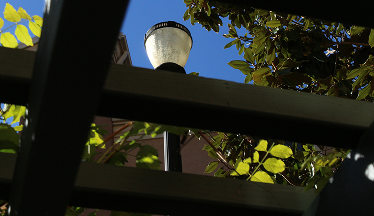

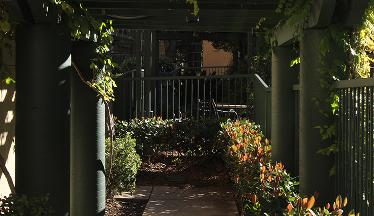
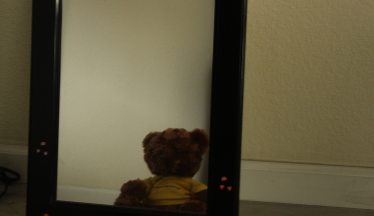
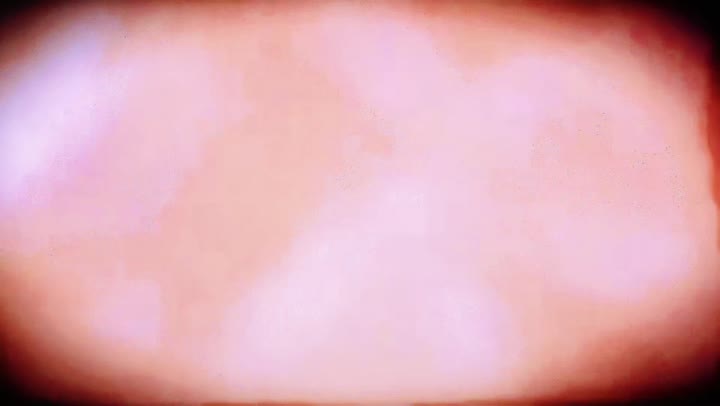
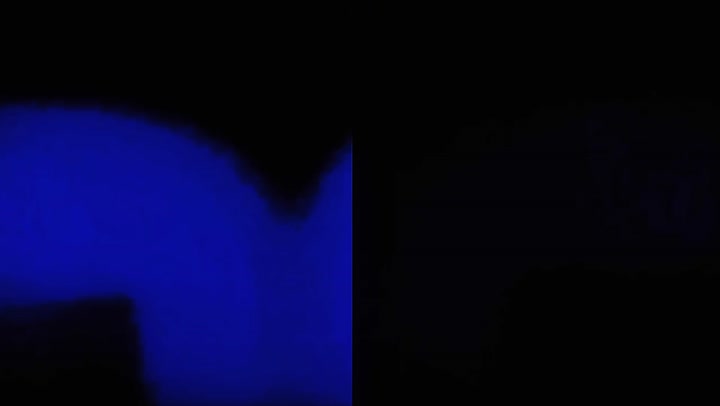
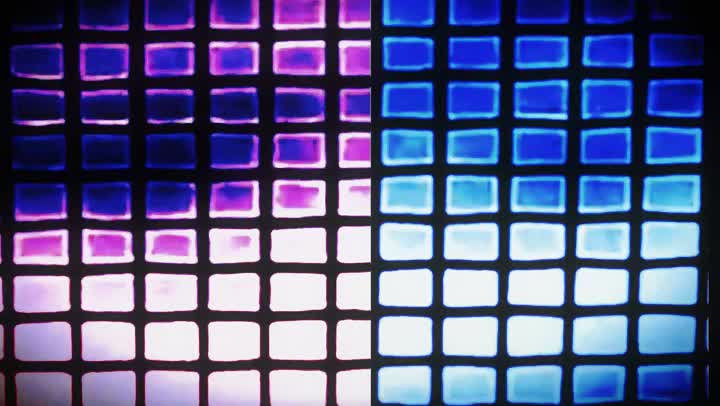
The narrative unfolds through a petal, an emerging space, divided imagery, and shifting states. Its cyclical meaning comes from returning to the idea of transience, not from reaching a final, permanent balance.
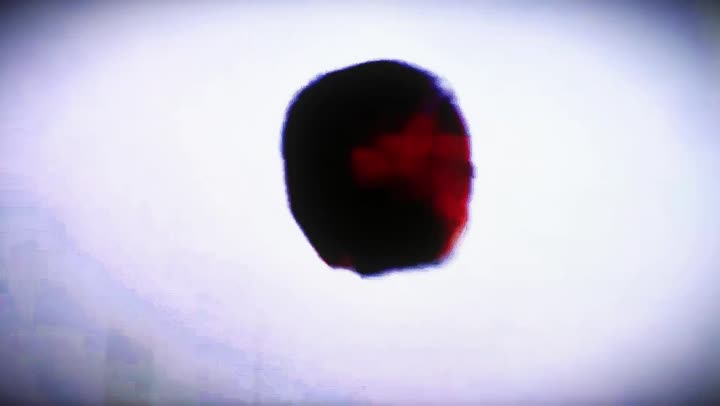

Quiet awareness and a baseline sense of equilibrium.
The start of movement, ambiguity and negotiation.
Transitions that make instability perceptible through light and form.
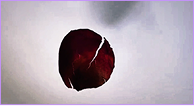
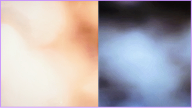
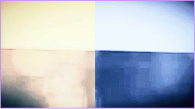
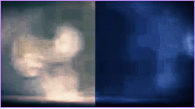
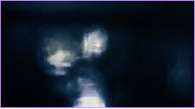
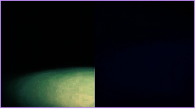
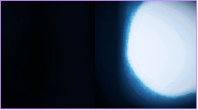
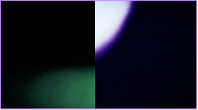
Pre-rendered visual sequence developed for the spatial installation. Video playback is not triggered by a live sensor.
The completed moving-image work was exhibited as a spatial projection. On-site documentation captures the interplay of light, architectural surfaces, and audience silhouettes.
Original onsite footage shows the projected visuals and real exhibition environment.
Warm and cool visual fields, shadow, grid structures and changes of light carry the work beyond the monitor.
Audience silhouettes shift how the projected compositions are perceived, adding human scale and presence to the installation.
Still photographs and the original on-site video document the exhibited pre-rendered work and its physical setting.
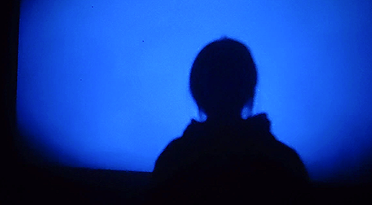
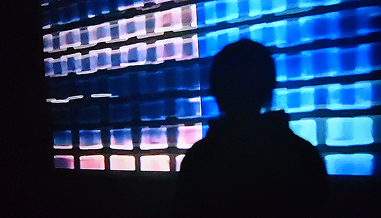
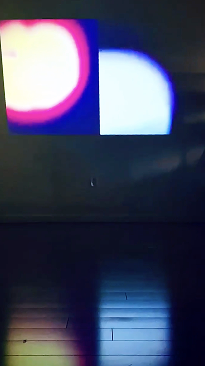
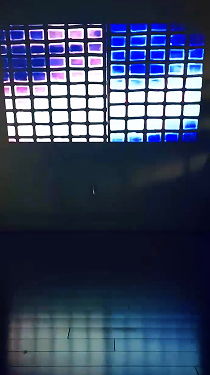
The exhibited film used recurring natural imagery, divided compositions, and shifting light to give temporary equilibrium a spatial and temporal form. After the exhibition, I considered how an audience-responsive version might turn this metaphor into a more physically perceptible experience.
This reflection informed a future spatial interaction concept, alongside my independent Arduino motion-to-light experiments.
The finished piece gave viewers a changing visual environment, but its timeline stayed fixed. The next design question is whether bodily input can meaningfully affect transitions, without reducing an emotional idea to a simplistic numerical score.
This is my post-exhibition design reflection; it is not presented as a documented audience request.
FUTURE SPATIAL INTERACTION PROPOSAL
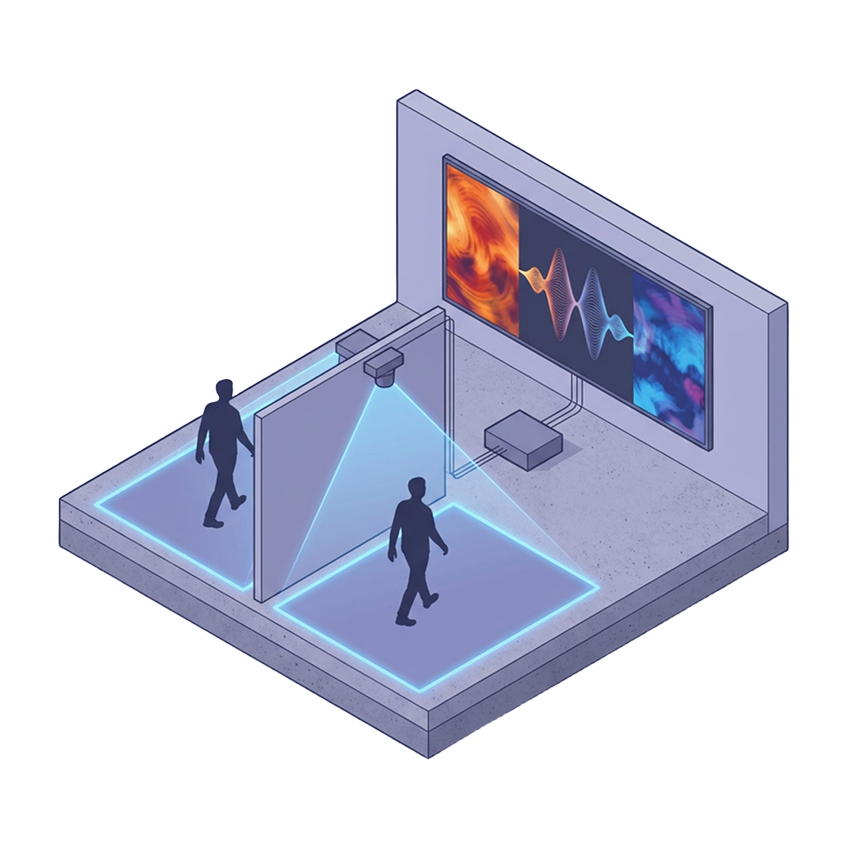
Following the completed video exhibition, the two-zone concept offers a direction for a future responsive version: audience position and duration could influence light and the timing of projected video states.
Equal conditions suggest balance; sustained differences suggest imbalance. The concept diagram specifies a five-second stability threshold to avoid constant state switching.
The concept diagram imagines two defined audience zones— STILL and SHIFT —with a proposed overhead sensor or camera, a duration threshold, and visual playback responses.
Proposed transition toward a visually balanced state.
Proposed transition toward contrasting visual conditions.
A proposed two-zone interaction maps sustained audience presence to changing visual states. The Arduino motion-to-light study is documented separately below.
INDEPENDENT HARDWARE EXPLORATION
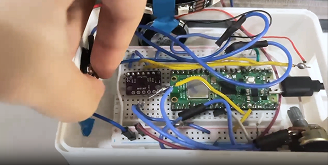
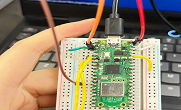
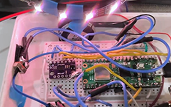
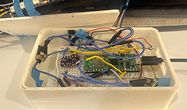
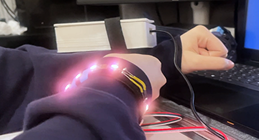
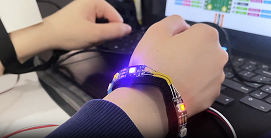
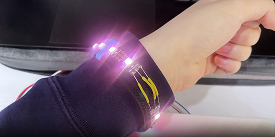
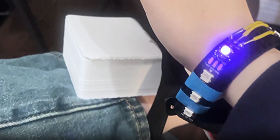
I built an independent Arduino-based physical prototype exploring how body movement can drive changing LED light states.
The shaking-based prototype captures subtle movements as a changing input signal. The experiment focuses on bodily micro-movement rather than a conventional button gesture.
Sensor readings are processed in code and translated into lighting parameters. The aim is an evolving state, not a single on/off trigger.
LED color, brightness and rhythm make fluctuations perceptible as ambient light, rather than direct task-based feedback.
Connect the separately tested motion sensor to a playback controller and map incoming motion to transitions among STILL, SHIFT, and DRIFT. This remains a future integration direction.
Potential technical route: transmit motion measurements to a playback controller and map stable states to video transitions.